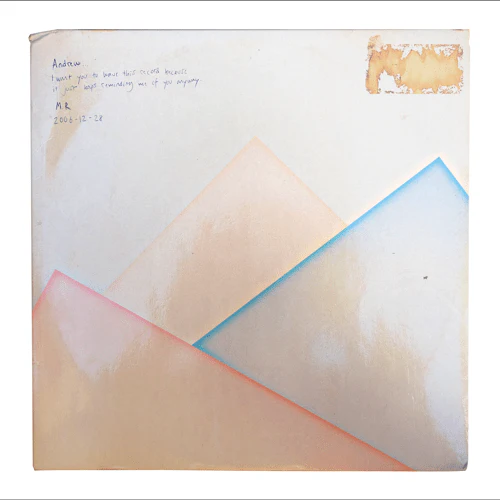
Where Neon Goes To Die
Living in a city is like having a love affair, and like any love affair, the passion for a city can produce monumental music. On Steven A. Clark’s second LP, Where Neon Goes to Die, the North Carolina-born singer-songwriter follows in the footsteps of artists like Fleetwood Mac and OutKast by painting a fascinating portrait of the place he calls home–in his case Miami. The album was created alongside the German DJ/producer Boys Noize, who Clark met (fittingly) backstage at a Miami club gig, where the two fell into a deep conversation about mutual influences that quickly became a full blown collaboration.
Miami’s where Clark’s lifelong love of music became a full-time gig, and it also happens to be an enormous playground filled with temptations for a budding young artist. Fittingly, Where Neon Goes to Die explores a complex relationship full of highs and lows. From sultry pop to heart aching ballads, the album retells Clark’s travels through the city’s nocturnal fantasyland through hooky, R&B-infused synth pop–file it alongside Prince and Frank Ocean–that (maybe ironically) could fill the floors at the same clubs he’s singing about.
But of course when Clark writes about his city he’s really writing about himself. At its core, Where Neon Goes to Die is the story of a musician casting aside the distractions of his youth and discovering not only a new level of maturity, but a new level to his talents. After a string of mixtapes and EPs, and his 2015 debut LP The Lonely Roller, Clark’s making music more confidently than he ever has before, sliding effortlessly between effervescent future disco on “Feel This Way” to purple-tinged slow-burn soul on “Easy Fall,” a duet with Gavin Turek.
It’s also the most personal music of his career so far, and not just lyrically. The opening track “Maria, Under the Moon” was written by his uncle, who since Clark was a kid would perform it for the family when he visited from Atlanta, unknowingly setting his nephew on the road to being a musician himself. Cementing the song’s family connection, Clark’s little brother Miguel plays guitar on it.
Over the course of months, Clark and Boys Noize two built up eight songs written by Clark (plus two written by his uncle) by bouncing them back and forth over email until the pair linked up at Boys Noize’s Berlin studio for the final sessions, where they had enough distance from the city at the center of the album to properly capture its essence. The result is a deep dive into the 80s pop and R&B that Clark grew up on, shot through with a contemporary club sound. It’s music that’s both forward-looking and nostalgic, befitting an artist looking back over his young life while taking his big first step into what’s next.
Original: $14.99
-65%$14.99
$5.25Product Information
Product Information
Shipping & Returns
Shipping & Returns
Description
Living in a city is like having a love affair, and like any love affair, the passion for a city can produce monumental music. On Steven A. Clark’s second LP, Where Neon Goes to Die, the North Carolina-born singer-songwriter follows in the footsteps of artists like Fleetwood Mac and OutKast by painting a fascinating portrait of the place he calls home–in his case Miami. The album was created alongside the German DJ/producer Boys Noize, who Clark met (fittingly) backstage at a Miami club gig, where the two fell into a deep conversation about mutual influences that quickly became a full blown collaboration.
Miami’s where Clark’s lifelong love of music became a full-time gig, and it also happens to be an enormous playground filled with temptations for a budding young artist. Fittingly, Where Neon Goes to Die explores a complex relationship full of highs and lows. From sultry pop to heart aching ballads, the album retells Clark’s travels through the city’s nocturnal fantasyland through hooky, R&B-infused synth pop–file it alongside Prince and Frank Ocean–that (maybe ironically) could fill the floors at the same clubs he’s singing about.
But of course when Clark writes about his city he’s really writing about himself. At its core, Where Neon Goes to Die is the story of a musician casting aside the distractions of his youth and discovering not only a new level of maturity, but a new level to his talents. After a string of mixtapes and EPs, and his 2015 debut LP The Lonely Roller, Clark’s making music more confidently than he ever has before, sliding effortlessly between effervescent future disco on “Feel This Way” to purple-tinged slow-burn soul on “Easy Fall,” a duet with Gavin Turek.
It’s also the most personal music of his career so far, and not just lyrically. The opening track “Maria, Under the Moon” was written by his uncle, who since Clark was a kid would perform it for the family when he visited from Atlanta, unknowingly setting his nephew on the road to being a musician himself. Cementing the song’s family connection, Clark’s little brother Miguel plays guitar on it.
Over the course of months, Clark and Boys Noize two built up eight songs written by Clark (plus two written by his uncle) by bouncing them back and forth over email until the pair linked up at Boys Noize’s Berlin studio for the final sessions, where they had enough distance from the city at the center of the album to properly capture its essence. The result is a deep dive into the 80s pop and R&B that Clark grew up on, shot through with a contemporary club sound. It’s music that’s both forward-looking and nostalgic, befitting an artist looking back over his young life while taking his big first step into what’s next.